
Africa finds itself at a critical moment. Home to nearly 20% of the global population, the continent hosts less than 5% of the world’s clinical trials. This isn’t just a statistic. It reflects how little investment and opportunity our people and institutions have been given to shape the future of medicine. And it should be a wake-up call.
Globally, the clinical research landscape is shifting. Once-dominant countries like the UK are faltering. Regulatory bottlenecks, post-Brexit isolation from the EU regulatory framework, and overburdened health systems have led to a steep decline in trial activity. Between 2017 and 2022, industry-sponsored patient recruitment in the UK dropped by 44%. Europe more broadly has lost its global share, down from 22% of trials in 2013 to just 12% in 2023.
Contrast this with South Korea and China, countries that made deliberate, long-term investments in their life sciences ecosystems. South Korea, now a global hub for biosimilars and advanced therapeutics, invested in infrastructure, called back diaspora talent, and created research clusters that rival any in the West. China, too, aggressively reformed regulation, built clinical trial capacity, and incentivized biotech start-ups. In just a decade, both countries went from clinical research participants to global leaders.
Africa’s challenges are well-known: limited infrastructure, fragmented regulatory environments, underinvestment in R&D, and a historical mistrust of research due to past exploitation. But these are not fixed realities. They are legacies we can, and must, reshape.
We’re beginning to see progress. The African Medicines Agency is a step toward harmonizing regulatory systems. South Africa continues to be a leader on the continent, with a mature regulatory body and consistent output across a range of therapeutic areas. Networks of excellence are growing. And most importantly, there is increasing recognition among African policymakers that clinical research is not just about science – it’s about sovereignty, access, and economic development.
Africa has the opportunity to leapfrog. We can build flexible, efficient, and ethical systems that reflect our realities rather than replicate outdated Western models. We can create incentives for African scientists abroad to return, or stay connected, as China and South Korea have done. We can partner with the private sector to build infrastructure and foster homegrown biotech innovation.
If we are bold, deliberate, and collaborative, Africa can move from the margins to the centre of global clinical research. This is not a dream. It’s a strategy. One that demands vision from our leaders, investment from our governments, and commitment from our scientific community. The time to act is now.
Let’s stop asking why we are not included in global research. Let’s start building the systems that make our inclusion indispensable.
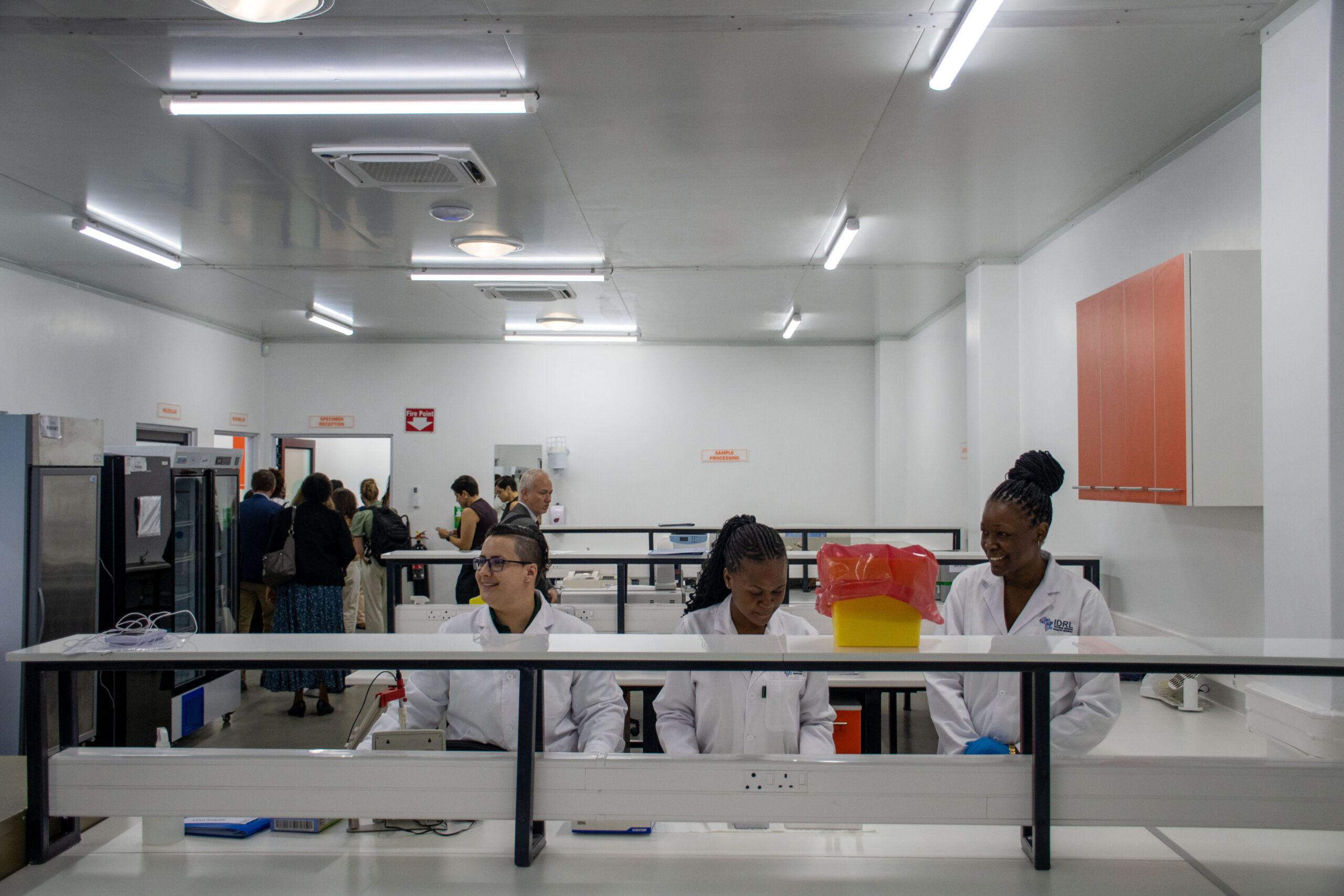
Building the infrastructure for the future and support our vision