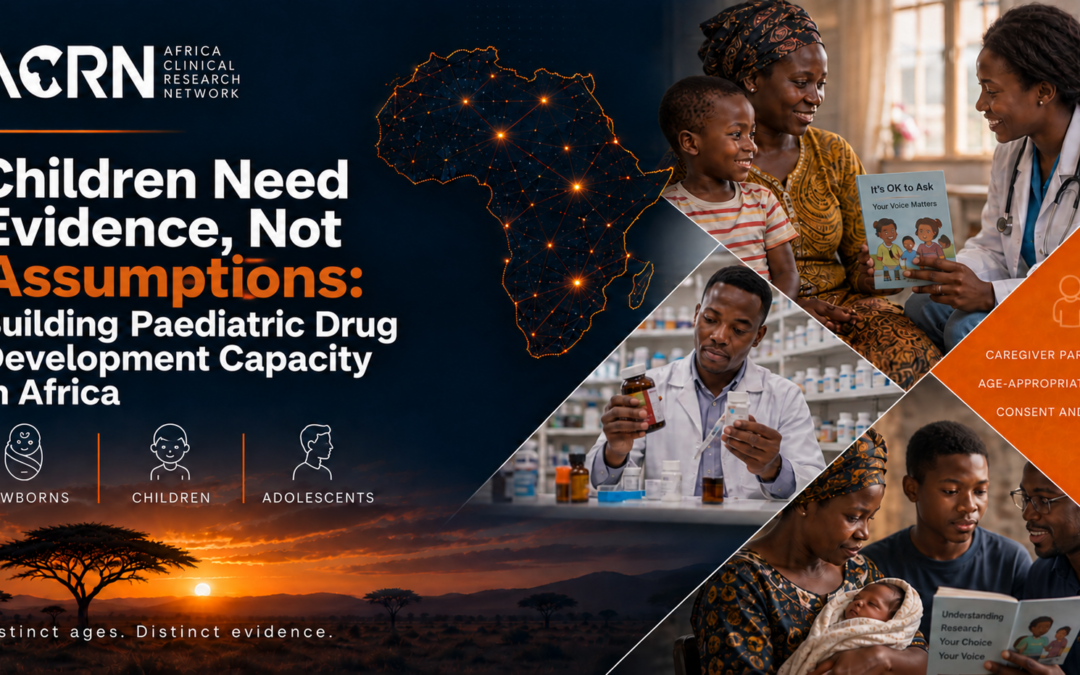
Children Need Evidence, Not Assumptions: Building Paediatric Drug Development Capacity in Africa
The goal is not to repeat every adult study in children. It is to know which evidence can be carried forward, which questions remain open, and who can answer them safely. The same medicine, at the same nominal dose, can behave differently when its formulation changes....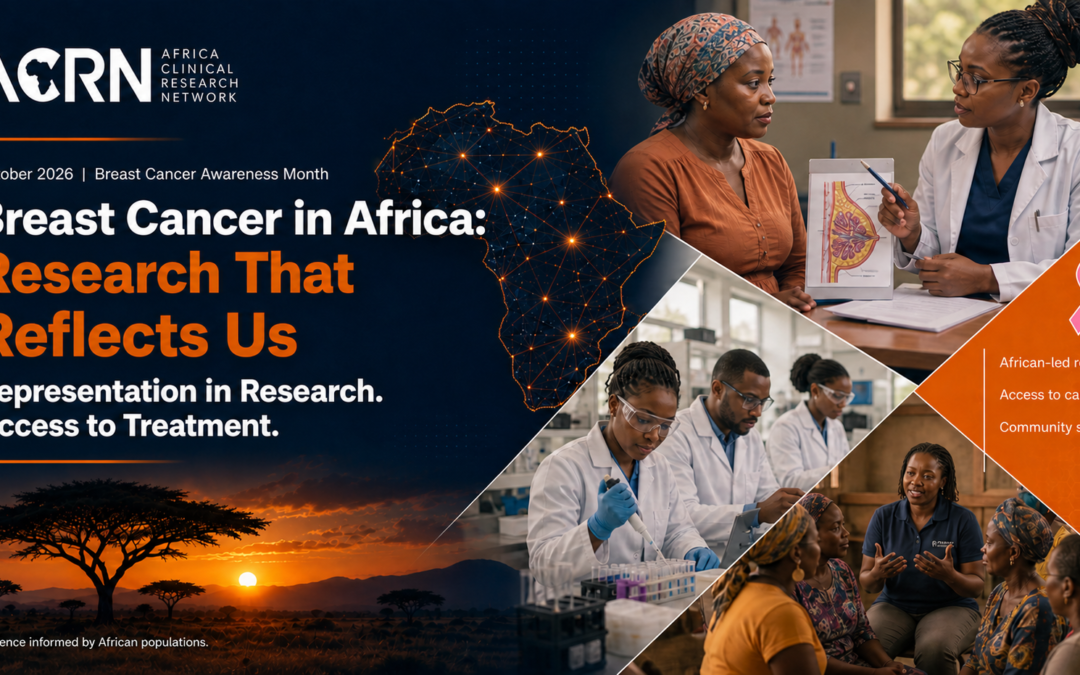
Breast Cancer in Africa: Turning Awareness Into Survival
At a supermarket checkout in Harare recently, I was asked whether I would donate my change to breast cancer research. It was a small request, but an encouraging one: a local business recognizing that research deserves our support. It also raised a bigger question....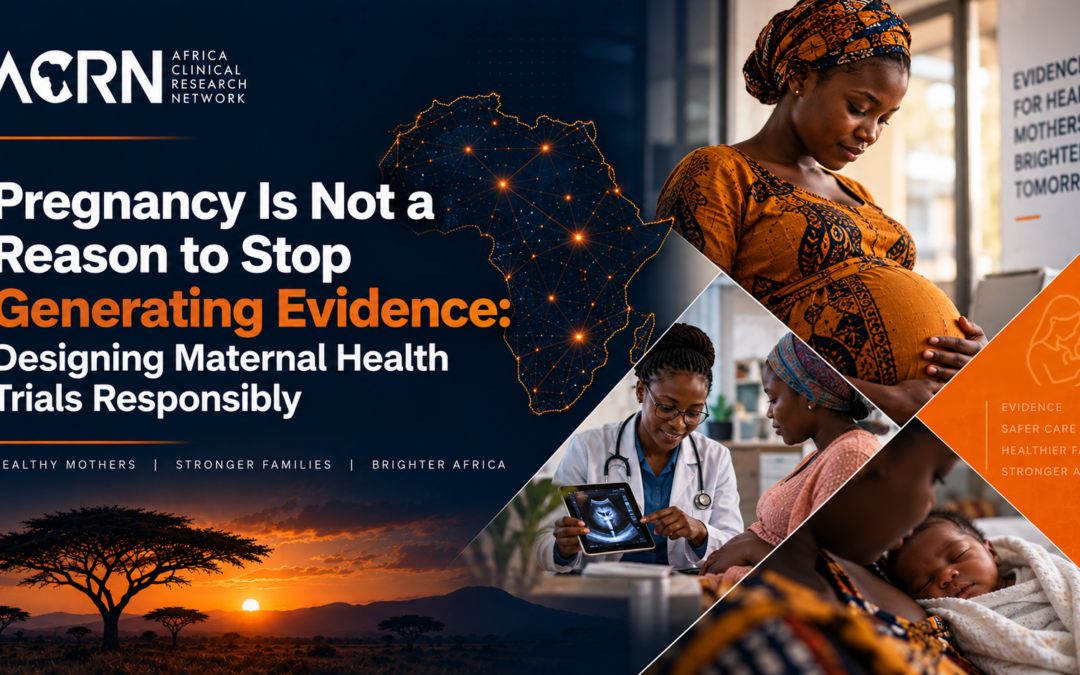
Pregnancy Is Not a Reason to Stop Generating Evidence: Designing Maternal Health Trials Responsibly
Protecting pregnant people means more than limiting research exposure. It means generating evidence that makes treatment decisions safer, during pregnancy and beyond. A clinical trial can exclude pregnancy. A health service cannot. Pregnant people still need treatment...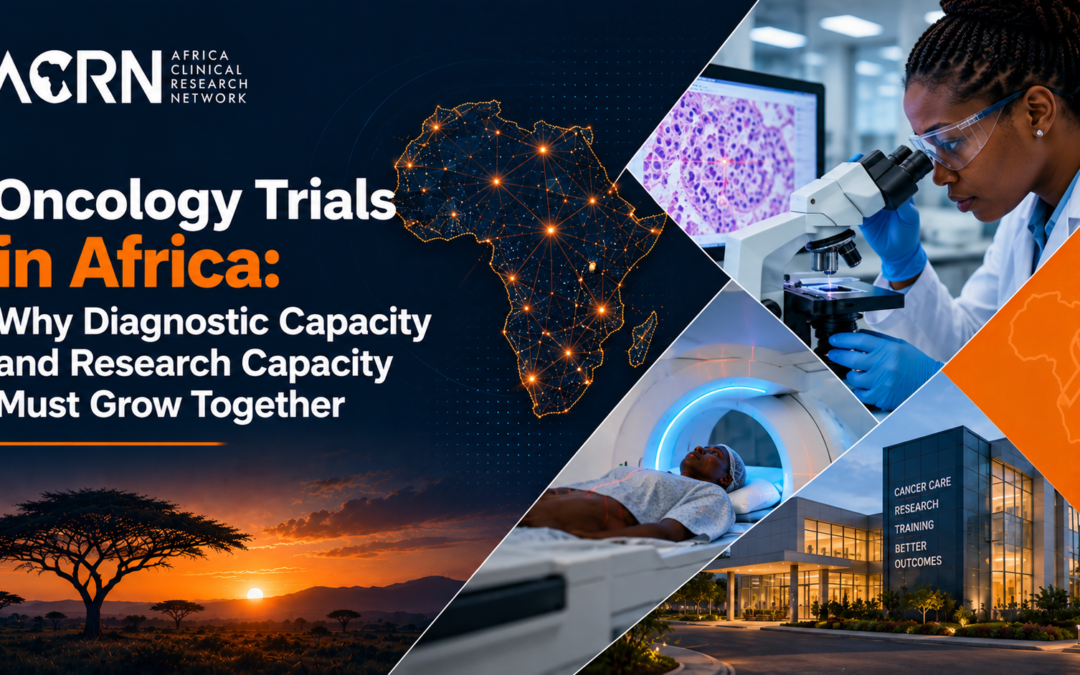
Oncology Trials in Africa: Why Diagnostic Capacity and Research Capacity Must Grow Together
A cancer trial can have an approved protocol, a trained team and medicine ready to dispense, yet remain out of reach for a patient waiting for a pathology result. Before an investigator can assess eligibility, someone must obtain an adequate sample, establish the...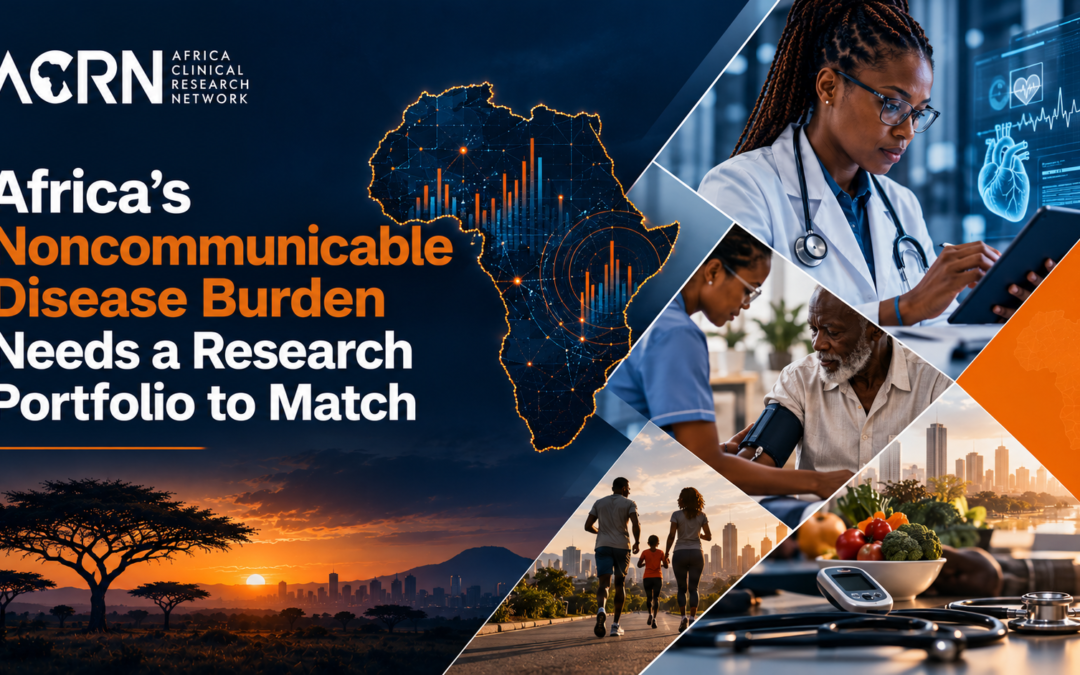
Africa’s Noncommunicable Disease Burden Needs a Research Portfolio to Match
In 2019, the CREOLE trial addressed a practical question: which combinations of commonly used medicines lowered blood pressure most effectively in Black African patients with uncontrolled hypertension? Conducted in six sub-Saharan African countries, the study found...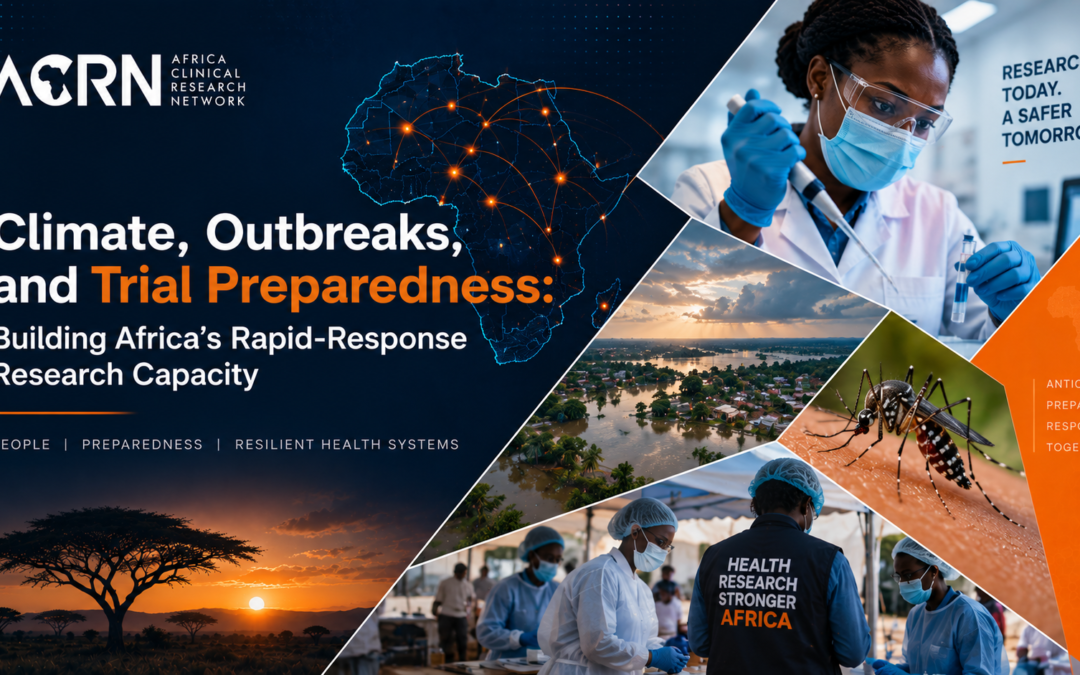
Climate, Outbreaks, and Trial Preparedness: Building Africa’s Rapid-Response Research Capacity
Four days after Uganda confirmed an outbreak of Sudan virus disease in January 2025, a clinical trial evaluating a candidate vaccine was launched. Investigators from Makerere University and the Uganda Virus Research Institute worked with the Ministry of Health, the...
Trial Transparency and Results Reporting: The Credibility Gap Africa Can Close
A completed trial that never reports its results does not disappear quietly. Participants still took the risk. The site still did the work. The funding was still spent. What disappears is the evidence, and with it the only public record that any of it was done...
Benefit Sharing and Intellectual Property: Who Owns the Value African Trials Create?
A clinical trial closes. Its samples and data may still have years of scientific life ahead. Stored specimens can support new investigations. Trial datasets can help researchers answer questions beyond the original protocol. Further analysis may contribute to a...