

Breast cancer is rising across Africa, yet most genomic insights that guide diagnostics and treatment still originate from non-African populations. The recent Hayat et al. (2025) genome-wide association study (GWAS)—the first conducted exclusively in a resident Black South African cohort—identified novel genetic variants associated with breast cancer (1). These findings underscore the urgent need for Africa-centric genomic research and reinforce the core mission of the Africa Clinical Research Network (ACRN): to ensure African populations are central to the global health research agenda through expanded and equitable clinical trials across the continent.
With active research spanning HIV, HPV, preeclampsia, HSV, and COVID-19 vaccine hesitancy, and collaborative projects in Zimbabwe, South Africa, Kenya, Rwanda, Tanzania, Ghana, Nigeria, and Senegal, ACRN is uniquely well-positioned to translate such discoveries into real-world impact.
Genomics Must Reflect Global Diversity
Genome Wide Association Studies have played a critical role in identifying common variants of breast cancer risk, particularly in populations of European ancestry. Yet until now, resident African populations have remained underrepresented. The Hayat et al. study identified two genome-wide significant loci in South African black women that were not replicated in datasets from West African ancestry, highlighting the genetic heterogeneity within African populations. (1). This finding challenges the generalised use of “African ancestry” in clinical risk models and emphasises the need for regional population-specific studies.
Notably, polygenic risk scores (PRS) derived from Eurocentric data performed poorly in the South African cohort, explaining only 0.79% of the variance as shown in Figure 1 below. This aligns with Gao et al. (2021) who concluded that, PRS derived from non-African populations have limited predictive power in African women (2).
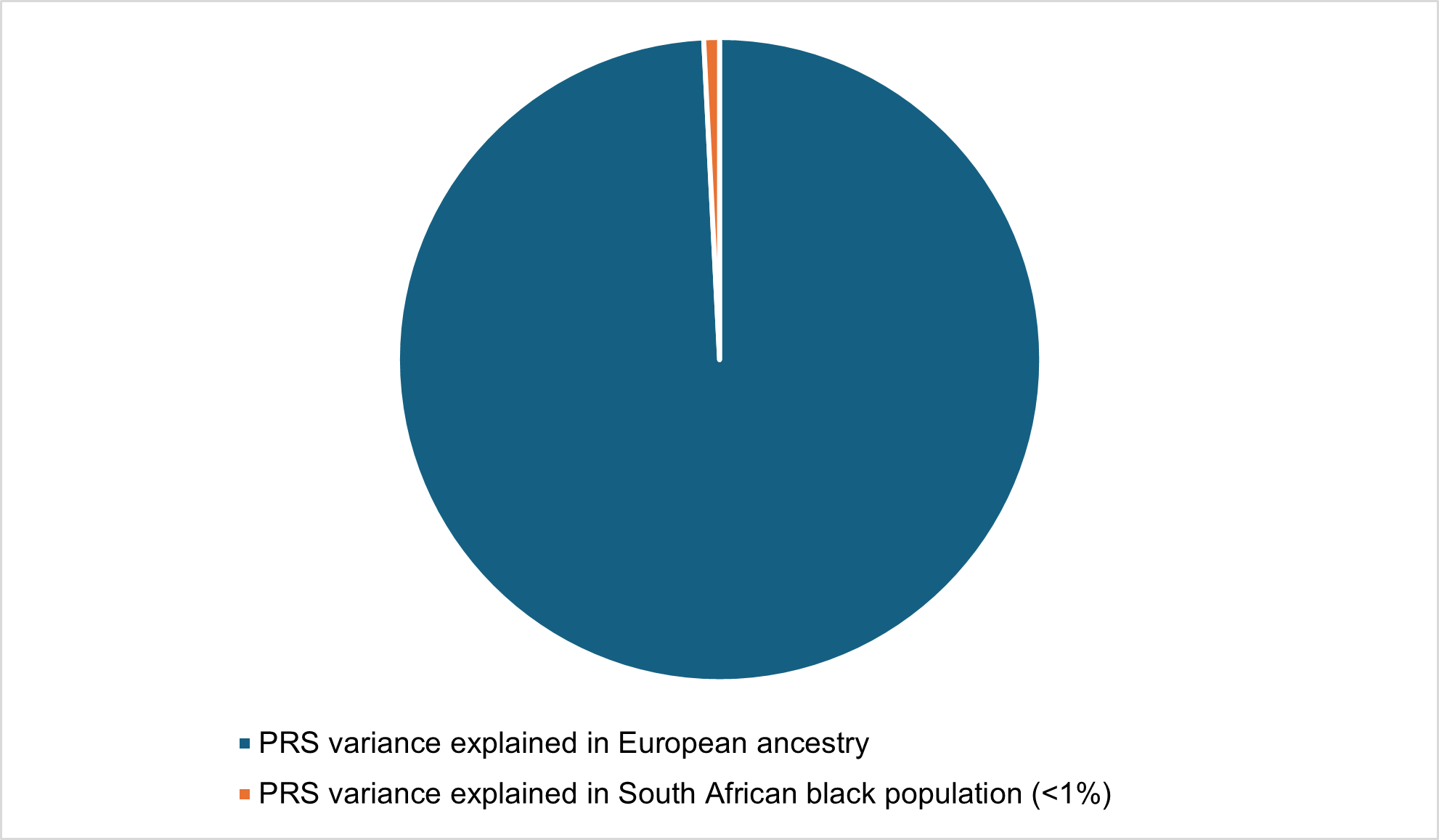
Figure 1: PRS model accuracy by population group
Why this study matters for Africa – and the World
Despite housing the world’s most genetically diverse populations, Africa remains marginalised in clinical genomics. Beyond GWAS, clinical trials themselves are alarmingly rare. In 2019, just 26 oncology clinical trials were conducted in Africa, only 6 of which included participants of African descent. (3–5).
The lack of representation in medicine development leads to shortcomings for underserved populations. In contrast, the Hayat et al. study emphasises Africa’s untapped potential for:
-
Precision medicine development
-
Targeted therapies (e.g., triple-negative breast cancer subtypes)
-
Improved diagnostics and screening tools
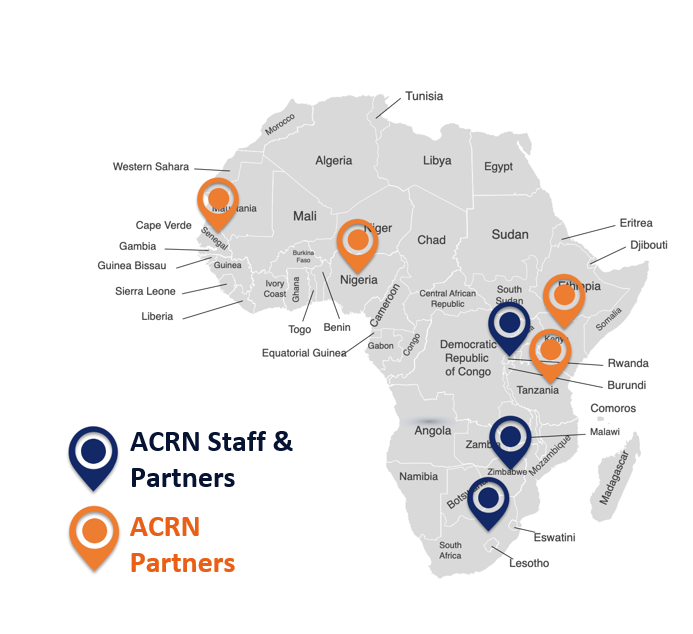
The Hayat et al. GWAS not only strengthens the case for African-led genomic research but also validates ACRN’s vision: positioning Africa as a competitive hub for clinical research. Conducting studies across the continent including multi country studies that embrace genetic diversity across Africa will ensure that globala research is representative of diverse populations
The Hayat et al. (2025) study is more than a milestone—it’s a call to action. It reinforces that global health cannot be equitable unless African populations are equitably represented in the science that shapes it.
For ACRN—already catalyzing research in cancer, infectious disease, maternal and child health, cardiometabolic diseases—affirms that our collective global future depends on local leadership, harmonized research pathways, and inclusive health innovation. African-led research is not only valid—it is vital.
References
- Hayat M, Chen WC, Babb de Villiers C, Hyuck Lee S, Curtis C, Newton R, et al. Genome-wide association study identifies common variants associated with breast cancer in South African Black women. Nat Commun. 2025 Apr 14;16(1):3542.
- Gao G, Zhao F, Ahearn TU, Lunetta KL, Troester MA, Du Z, et al. Polygenic risk scores for prediction of breast cancer risk in women of African ancestry: a cross-ancestry approach. Hum Mol Genet. 2022 Sep 15;31(18):3133–43.
- Saleh M, Sharma K, Shamshudin A, Obayo I, Gondi S, Karimi N. Regulatory approval of clinical trials: is it time to reinvent the wheel? BMJ Glob Health. 2024 Jan 24;9(1):e013727.
- Ejigu DA, Fekadu A, Whitty J, Manyazewal T, Nebeta P, Conradie A, et al. Development, implementation, and evaluation of an innovative clinical trial operations training program for Africa (ClinOps). BMC Med Educ. 2025 Jan 24;25(1):119.
- Mash R. Strengthening clinical trials in African primary care. Afr J Prim Health Care Fam Med. 2024 Jul 23;16(1):4677.
Authored by Tatenda Magetsi & Hazel Gwarinda