

Influenza is a serious but often underestimated public health threat in Africa. The continent faces a triple challenge: under-recognition of disease burden, insufficient surveillance, and limited capacity to detect and respond to seasonal or pandemic influenza strains.
The stakes are high. Each year, tens of thousands of deaths are estimated to occur across Africa due to influenza-related illnesses. Young children, older adults, pregnant women, and people with chronic illnesses at highest risk. Strong influenza surveillance systems also form the backbone of preparedness for new respiratory pathogens, as the COVID-19 pandemic showed.
As countries across Africa seek to build stronger, more resilient health systems, influenza surveillance must be a priority. It offers a cost-effective platform for pandemic readiness, guides vaccination strategies, and helps build trust in science-based public health interventions.
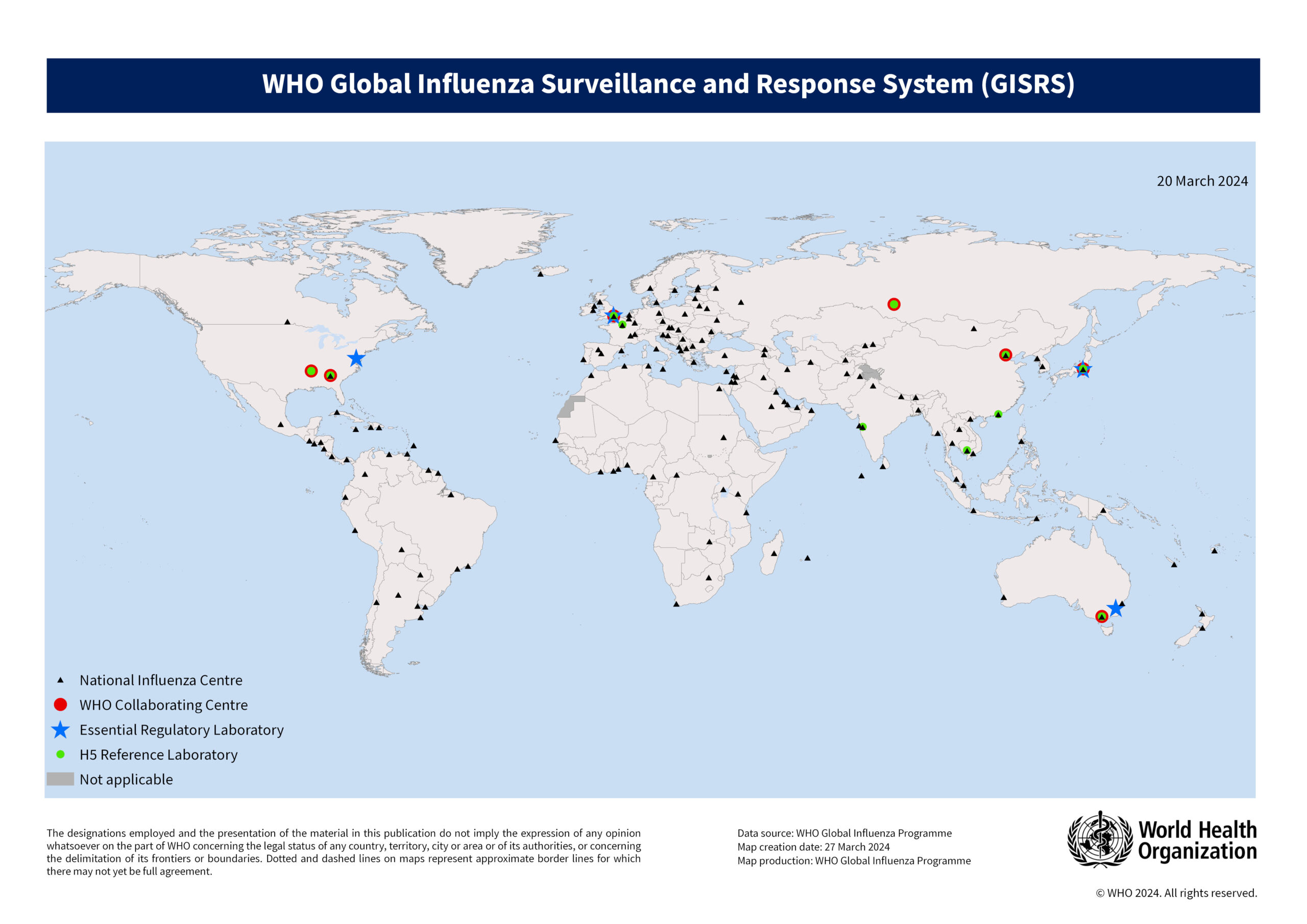
The underestimated burden of influenza in Africa
Africa carries a substantial but under-measured burden of influenza. WHO estimates that globally, influenza epidemics cause 3 to 5 million cases of severe illness and up to 650,000 deaths each year (2). Yet, data from Africa is sparse, with many countries lacking consistent reporting systems.
Africa accounts for a disproportionate share of influenza-related pediatric deaths globally, especially in children under 5 years (3). Hospitalization and death rates for flu-related pneumonia and other complications are often higher in African countries than in wealthier settings.
Without robust data, policymakers lack the evidence they need to plan vaccination and preparedness programs effectively.
Why surveillance matters
Strong influenza surveillance delivers multiple benefits:
- Early detection of circulating strains to inform global vaccine strain selection
- Detection of unusual viruses with pandemic potential
- Monitoring vaccine effectiveness and virus evolution
- Tracking disease trends to inform clinical and public health responses
Importantly, surveillance systems built for influenza help countries prepare for other respiratory threats, including respiratory syncytial virus (RSV) and novel coronaviruses. During COVID-19, many African nations adapted their influenza surveillance sites to track SARS-CoV-2, proving the value of these systems (4).
Closing the data gap
Today, fewer than half of African countries report data consistently to FluNet, WHO’s global influenza platform. Even where systems exist, they often lack broad geographic coverage, and many national labs have limited capacity for molecular testing and sequencing.
Strengthening surveillance requires:
- Expanding sentinel site networks and integrating them with routine care
- Training laboratory staff in virus isolation, PCR diagnostics, and sequencing
- Investing in data systems for timely reporting and regional coordination
- Enhancing pharmacovigilance to monitor vaccine safety and effectiveness
Regional coordination is also vital as influenza, like many other infectious diseases, knows no borders.
ACRN’s role
The Africa Clinical Research Network (ACRN) site Mutala, is proud to be part of clinical trials evaluating influenza vaccines while having in the past conducted surveillance research on respiratory viruses including influenza. Strengthening and expanding capacity for trials in respiratory infections not only informs current vaccines but lays the groundwork for effectively executing trials to evaluate vaccine efficacy and population level vaccine effectiveness.
The bottom line
Influenza surveillance and vaccine prevention in the most vulnerable groups may not capture headlines, but it is one of the most powerful tools Africa can invest in to protect its people, and the world, from future pandemics. By strengthening surveillance systems now, African countries will be better prepared for tomorrow’s threats while reducing the toll of a preventable and treatable disease today.
With the right vision, investment, and partnerships, Africa can lead the way.
References
- Global Influenza Surveillance and Response System (GISRS) [Internet]. [cited 2025 Jun 15]. Available from: https://www.who.int/initiatives/global-influenza-surveillance-and-response-system
- Influenza (seasonal) [Internet]. [cited 2025 Jun 15]. Available from: https://www.who.int/news-room/fact-sheets/detail/influenza-(seasonal)
- Nair H, Brooks WA, Katz M, Roca A, Berkley JA, Madhi SA, et al. Global burden of respiratory infections due to seasonal influenza in young children: a systematic review and meta-analysis. The Lancet. 2011 Dec 3;378(9807):1917–30.
- Marcenac P, McCarron M, Davis W, Igboh LS, Mott JA, Lafond KE, et al. Leveraging International Influenza Surveillance Systems and Programs during the COVID-19 Pandemic – Volume 28, Supplement—December 2022 – Emerging Infectious Diseases journal – CDC. [cited 2025 Jun 16]; Available from: https://wwwnc.cdc.gov/eid/article/28/13/21-2248_article