
For decades, Africa has often been portrayed as a continent trying to “catch up” with the rest of the world in science, healthcare, and innovation. But a growing movement among African scientists, institutions, and global partners suggests a different narrative entirely—one in which Africa is not catching up, but leapfrogging into the future.
Recent investments in regulatory strengthening, digital infrastructure, and research capacity across the continent are beginning to support this shift.
At the heart of this shift is a bold vision: building modern clinical research systems across Africa from the ground up, using digital technologies, coordinated research networks, and global partnerships to transform how medical research is conducted on the continent.
“Leapfrogging means not just replicating legacy systems,” one researcher explains. “It means building technology-enabled systems from the ground up,” says Dr Tariro Makadzange.
Without the burden of outdated infrastructure that exists in many older research ecosystems, Africa has a rare opportunity. Instead of upgrading decades-old systems, institutions can design modern, digital-first platforms that connect research sites, regulators, sponsors, and communities seamlessly.
This clean-slate approach could redefine Africa’s role in global health innovation.
Building a Gateway for African Clinical Research
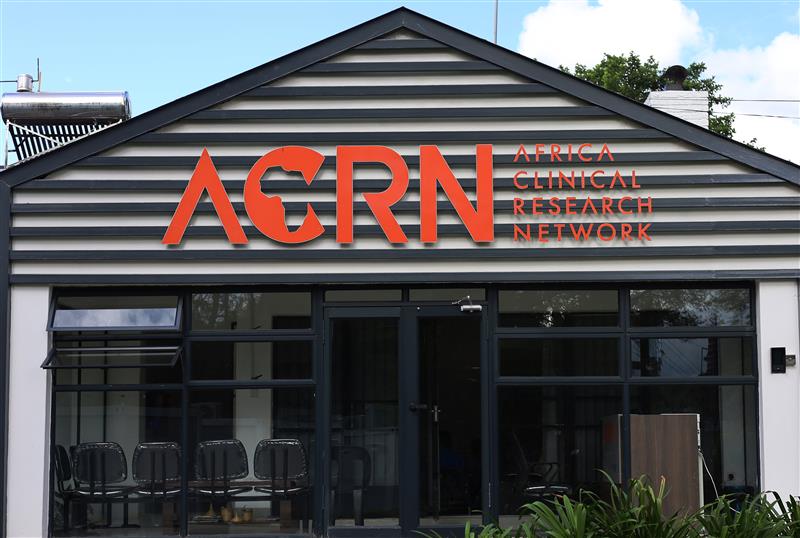
One initiative helping to drive this transformation is the African Clinical Research Network (ACRN)—a growing ecosystem designed to position Africa as a global hub for clinical research.
ACRN is one of several initiatives working to improve how clinical research is coordinated and delivered across African settings, with a focus on strengthening site networks, improving visibility for sponsors, and supporting more consistent standards.
Historically, many sponsors have hesitated to conduct trials in Africa because the research landscape can appear fragmented. Different regulatory frameworks, varying infrastructure levels, and the complexity of navigating more than fifty national systems have created barriers.
To address this, ACRN is building a coordinated network of research sites and partners across the continent.
Rather than operating as isolated trial locations, these sites function as part of a unified ecosystem built around shared standards, digital platforms, and collaborative governance.
“In terms of defining a site network, we’re looking at a coordinated ecosystem of clinical research sites and partners that work together,” explains Dr Wilfred Gurupira
The network is built on four core principles: standardization, capability-driven operations, central coordination with local execution, and continuous improvement.
These principles help ensure that trials conducted across the network meet the same rigorous standards expected anywhere in the world.
“A site network is not just a collection of research locations—it is a coordinated ecosystem designed to increase Africa’s capacity to conduct world-class clinical trials.”
By connecting capable research institutions across multiple countries, ACRN is creating a system that allows global sponsors to work through a single coordinated platform rather than navigating dozens of fragmented environments.
“Today, less than 3% of global clinical trials take place in Africa, despite the continent representing nearly 20% of the global population,” Dr Tariro explains.
Closing that gap is both a scientific and strategic priority.
The Regulatory Challenge—and Opportunity
Yet technology alone cannot transform the research landscape. Regulatory systems must evolve as well.
One of the biggest challenges facing clinical trials in Africa is the fragmented regulatory environment. With more than fifty countries across the continent, sponsors often must navigate dozens of separate approval processes.
Dr. Tariro contrasts this with regions like the United States, where unified regulatory frameworks streamline clinical research approvals.
For Africa to compete globally, experts say regulatory harmonization will be essential.
Encouragingly, several initiatives are already underway. Organizations such as the African Medicines Agency and continental trade agreements are working to create more unified regulatory systems across the continent.
These efforts aim to simplify approval processes while maintaining strong ethical and safety standards.
Although progress will take time, the momentum toward regulatory alignment is growing—and it could significantly strengthen Africa’s competitiveness in the global clinical research space.
Research as an Engine for Economic Growth
Beyond scientific advancement, expanding clinical research across Africa carries another powerful promise: economic transformation.
Research is often seen purely as an academic or philanthropic endeavor. Increasingly, however, policymakers recognize that it can serve as a powerful engine for economic development.
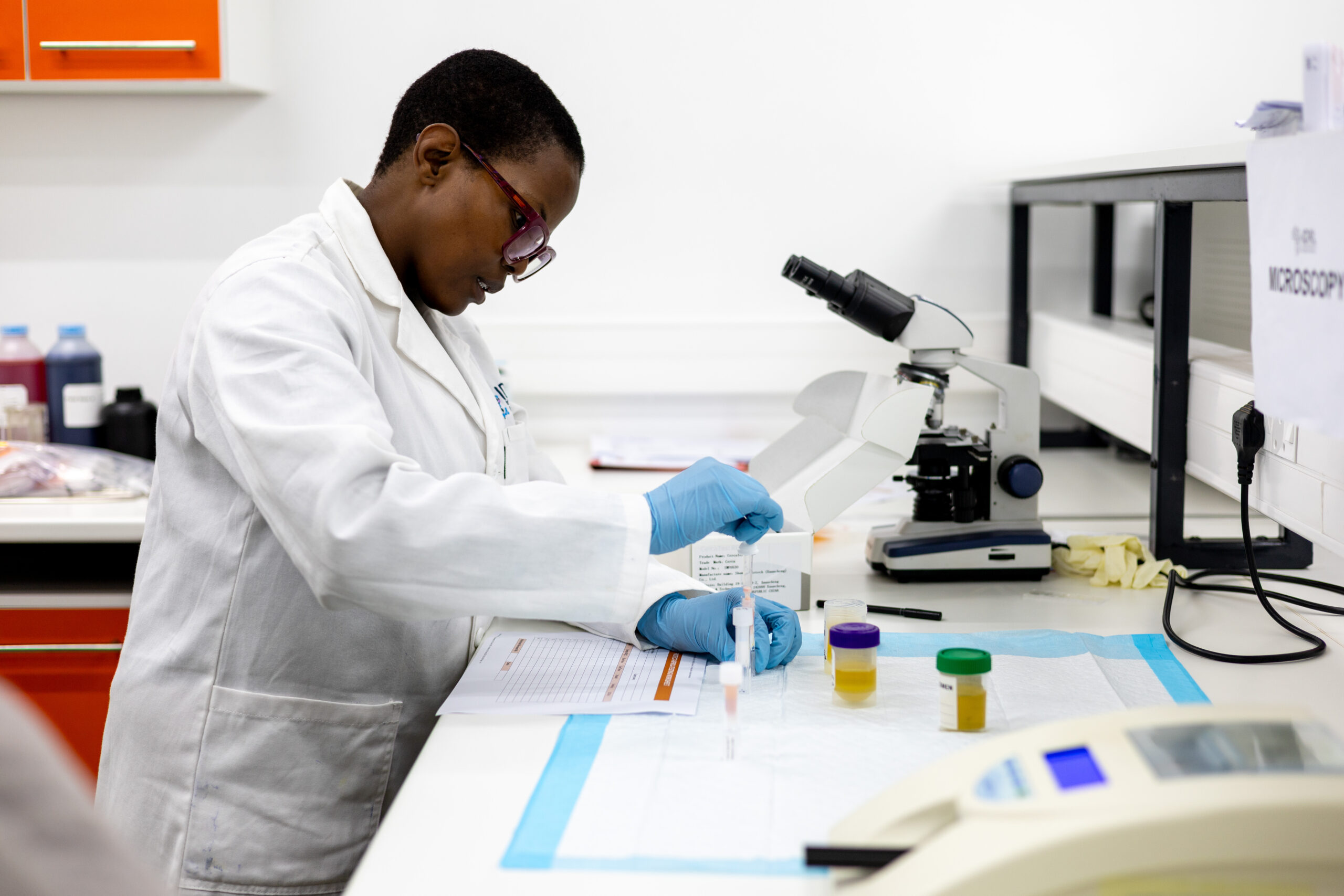
Clinical research generates high-skilled jobs for doctors, nurses, laboratory specialists, data scientists, and regulatory professionals. It strengthens healthcare infrastructure and stimulates innovation across multiple sectors.
For Africa, a continent with one of the youngest and fastest-growing populations in the world, these opportunities are particularly significant.
Investing in research infrastructure helps train the next generation of scientists and healthcare professionals while building national capacity in science and technology.
Some policy frameworks have suggested increasing national investment in research to around 1% of GDP to support long-term capacity building.
Doing so could help establish a strong life sciences sector capable of driving sustainable economic growth across the continent.
Community: The Foundation of Ethical Research
While technology & infrastructure are essential, clinical research ultimately depends on trust within the communities where studies take place.
Across Africa, community advisory boards are playing a critical role in building that trust.
These groups help explain research studies, address misinformation, and ensure that participants fully understand their rights and the purpose of the research.
By communicating scientific information in local languages and cultural contexts, community representatives are helping shift perceptions around clinical trials.
“Our engagement has shifted the conversation from fear and suspicion to understanding and participation,” explains one community advisory board member.
“Research is no longer something happening somewhere else. It is happening here, with us, and for us.”
Community members now attend sensitization meetings in greater numbers, volunteer for health screenings, and ask informed questions about vaccines and treatments.
For many, research participation is no longer viewed with suspicion but as an opportunity to improve health outcomes for their communities.
Data Integrity and the Role of Technology
One of the most critical concerns in clinical research anywhere in the world is data reliability. Clinical trials must meet strict regulatory standards to ensure that medicines are safe, effective, and scientifically valid.
For emerging research ecosystems, building trust in data systems is essential.
Digital technology is helping address this challenge. Modern data platforms and cloud-based systems allow African research networks to monitor trial activity in real time while ensuring regulatory compliance.
Partnerships with global technology leaders—such as Oracle—are helping build the digital backbone that supports this new research environment.
Advanced cloud infrastructure allows clinical trial data to be securely captured, stored, and analyzed while artificial intelligence tools monitor activity continuously to detect anomalies or potential deviations.
“Clarity in how data is collected and audited is crucial. With AI running in the background, we can detect anomalies early and maintain the highest standards of clinical research.”
This combination of digital infrastructure, cloud computing, and digital systems and structured monitoring processes can help strengthen confidence in data quality and oversight that trials conducted across African research sites meet the same rigorous standards expected anywhere in the world.
For ACRN, technology is not simply a tool—it is the foundation that enables trust, transparency, and collaboration across borders.
Experience Driving Innovation
For Professor Chiratidzo Ndhlovu, the effort to build stronger clinical research systems in Africa has deep roots.
Prof. Chiratidzo Ndhlovu and Dr. Tariro Makadzange have been involved in clinical research for nearly two decades, conducting studies and working closely with communities in Zimbabwe.
That experience including work during the COVID-19 pandemic investigating vaccine readiness has helped shape the collaborative model now being expanded through ACRN.
“Africa already has the research capacity. What we are building now is the network that allows that capacity to operate at a continental scale.”
By connecting experienced researchers, institutions, and communities through a coordinated network, ACRN aims to accelerate the growth of clinical research across Africa.
A Continent on the Rise

Africa’s demographic trends make the case for expanding clinical research even stronger.
“By mid-century, half of the world’s young people will live in Africa, and by the end of the century the continent could represent one-third of the global population,” says Dr. Tariro Makadzange.
As populations grow, so too will the need for innovative therapies tailored specifically for African communities.
Clinical research conducted locally is essential to ensure that new treatments are safe, effective, and relevant to the populations they serve.
“One of our major goals is to increase Africa’s share of global clinical trials from 3 percent today to 15 percent within the next decade,” says Dr Makadzange.
Achieving that milestone will require collaboration across governments, regulators, research institutions, technology partners, and communities.
The Power of Partnership
Ultimately, the transformation of clinical research in Africa will not happen through a single institution or initiative.
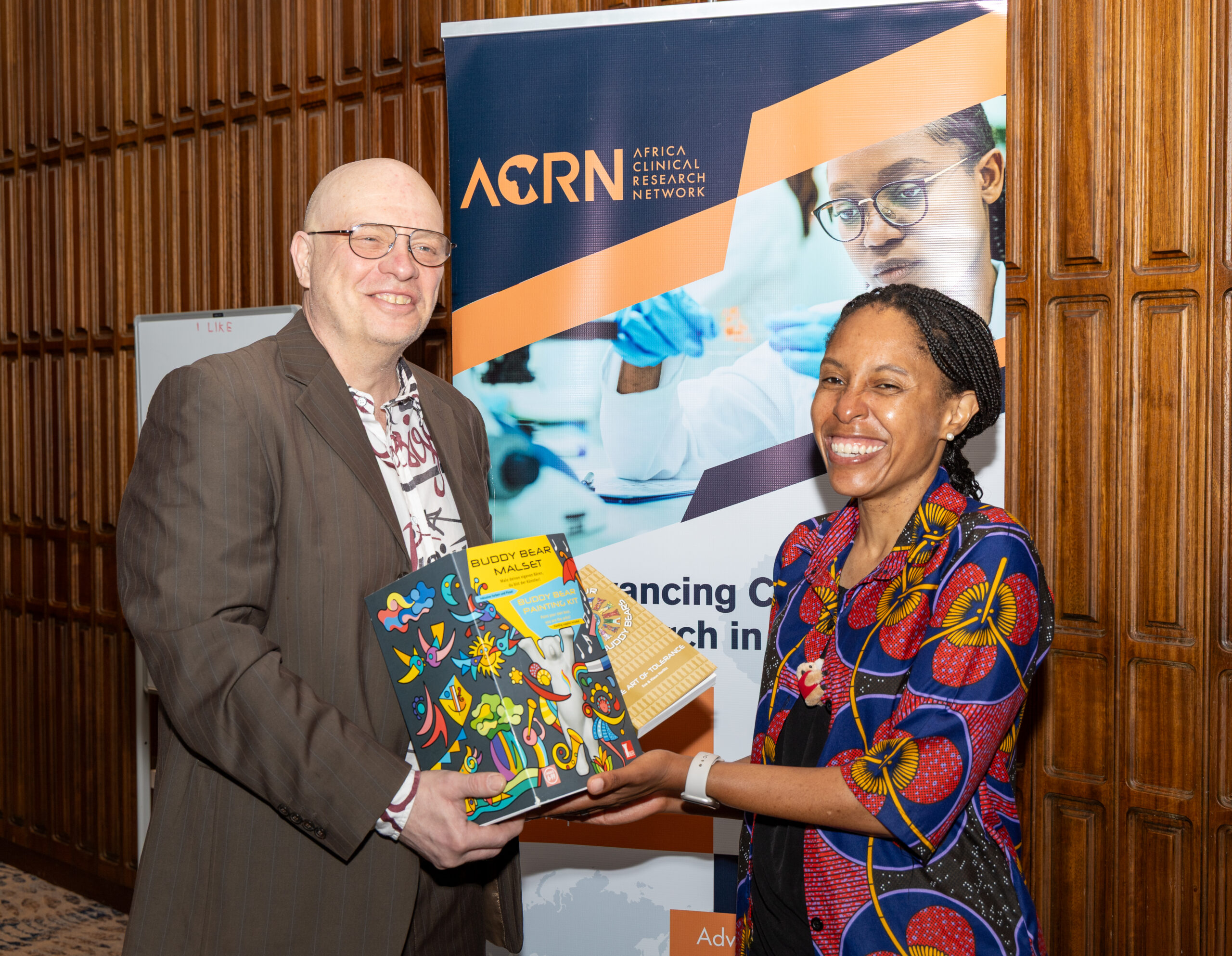
It will depend on a broad coalition of partners, governments, research institutions, technology companies, universities, healthcare providers, and communities themselves.
Together, we are building something far greater than a research network.
We are building a new scientific ecosystem, one capable of translating Africa’s health challenges into globally recognized scientific breakthroughs.
From digitally connected clinical trial networks to community-engaged research programs, the foundations of that ecosystem are already taking shape.
Africa is not merely participating in the future of global medicine. Through networks like ACRN, it is helping shape it.
And in doing so, the continent is demonstrating something powerful: it is not catching up.
Africa’s role in global clinical research is evolving. Strengthening networks, improving data systems, and supporting African-led research will be central to that shift. While challenges remain, these developments suggest a growing opportunity for the continent to contribute more meaningfully to global health research.